
Printer software and firmware lifecycle reference
The distinct lifecycles of host printer software, device firmware, package metadata, and capability declarations. Key sections: Two locations, two lifecycles.
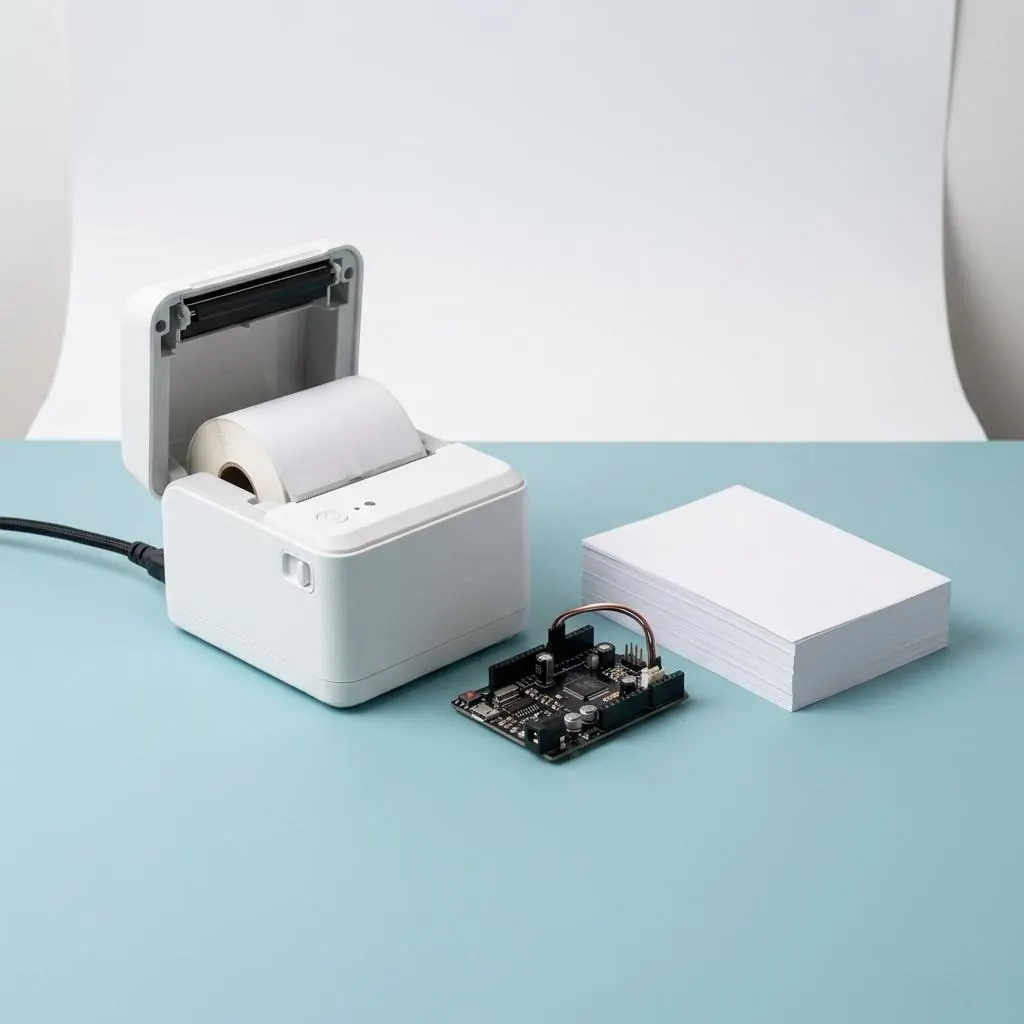
Two locations, two lifecycles
Printer software runs on the host and represents a device through queues, ports, renderers, applications, or services. Firmware is persistent device-side code. They interact across an interface but have separate owners, versions, package records, and transition histories.
Package versus firmware evidence
A host package record can include software-vendor, catalog, architecture, renderer, and platform metadata. A firmware record identifies a product, device-side version, and release context. Comparing one record to the other requires an explicit compatibility relationship.
Capability changes
A software change can alter rendering or the capabilities exposed by a queue. A firmware change can alter device behavior or declarations. A standard protocol may mediate both without making their lifecycles identical.
Lifecycle vocabulary
Use stages such as published, staged, associated, active, superseded, or retired for host software, and device-specific version or release terms for firmware. This page excludes update procedures, download links, dates, and performance claims.
Reference facts
- Host software
- Queues, ports, renderers, applications, services, and packages
- Device software
- Persistent firmware and device-side declarations
- Core distinction
- Separate records, versions, owners, and lifecycle transitions
Questions and answers
Is a printer driver update a firmware update?
No. Host package and device firmware are separate artifacts and lifecycles.
Can either lifecycle change visible capabilities?
Yes, but through different layers: host representation for software and device behavior or declarations for firmware.